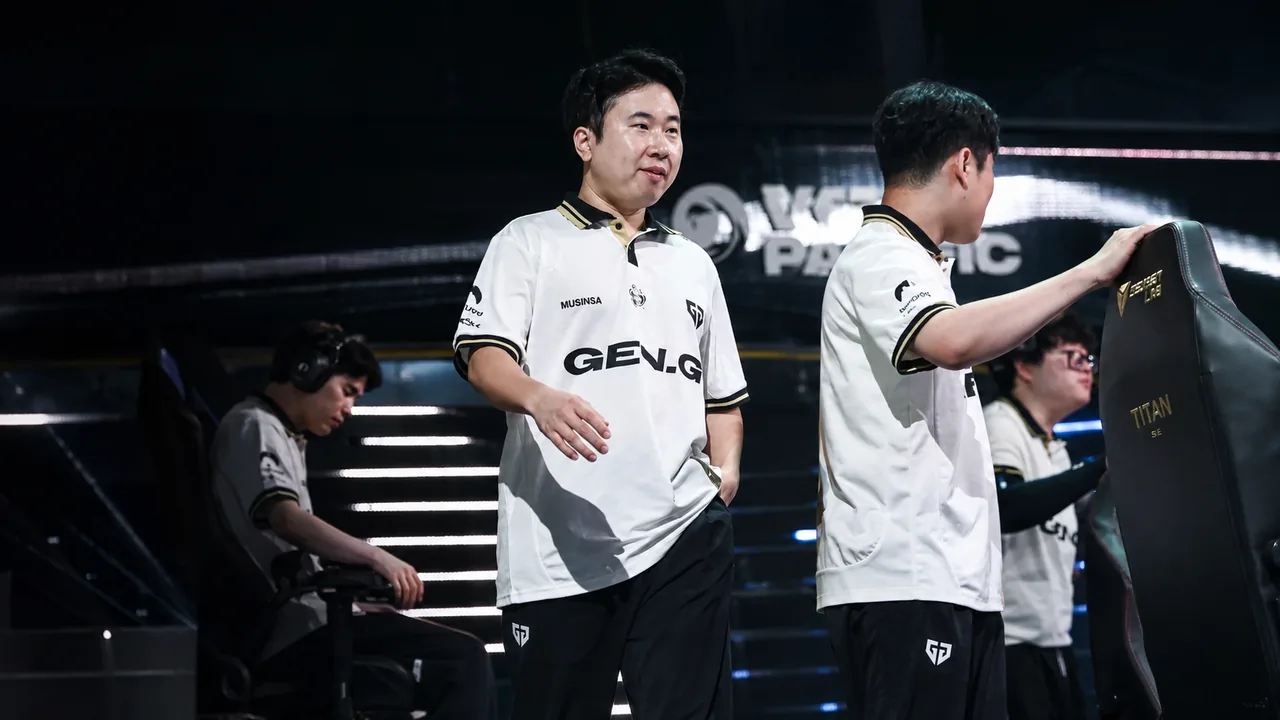
Gen.G's run at qualifying for VALORANT Champions Shanghai wrapped up after back-to-back playoff losses in VCT Pacific Stage 2. A defeat to Nongshim RedForce, followed by being eliminated by T1, brought a tough end to their season.
But those final scores don't really capture the whole story of Gen.G's year. After a rough start to the season, the team hit the reset button mid-season and came back looking like a different squad in Stage 2. They tore through the group stage and looked like they might pull off a miraculous turnaround.
Head coach Kang "solo" Keun-chul mentioned that rebuilding a roster in the middle of a season was a major challenge since player options were limited. Gen.G reached out to agencies, looked at their own academy talent, and held trials before they eventually signed Efina and Xiesta.
RaxcaL also popped up through the academy system during their search. According to solo, Efina and Xiesta really stood out during those trials.
Their mechanical skill was just one piece of the puzzle, though. Solo gave a lot of credit to the coaching staff and the original core of t3xture, Karon, and Ash for helping the new guys settle in.
“Honestly, I think they just did really well assimilating into the team. The coaching staff and I, along with the original three players, t3xture, Karon, and Ash, all worked hard to make sure the newcomers felt comfortable, felt at home, that we had a good atmosphere on the team so it feels like a family, and that the two newcomers felt right at home in it.”
But the roster change was just one of many obstacle for Gen.G during Stage 2.
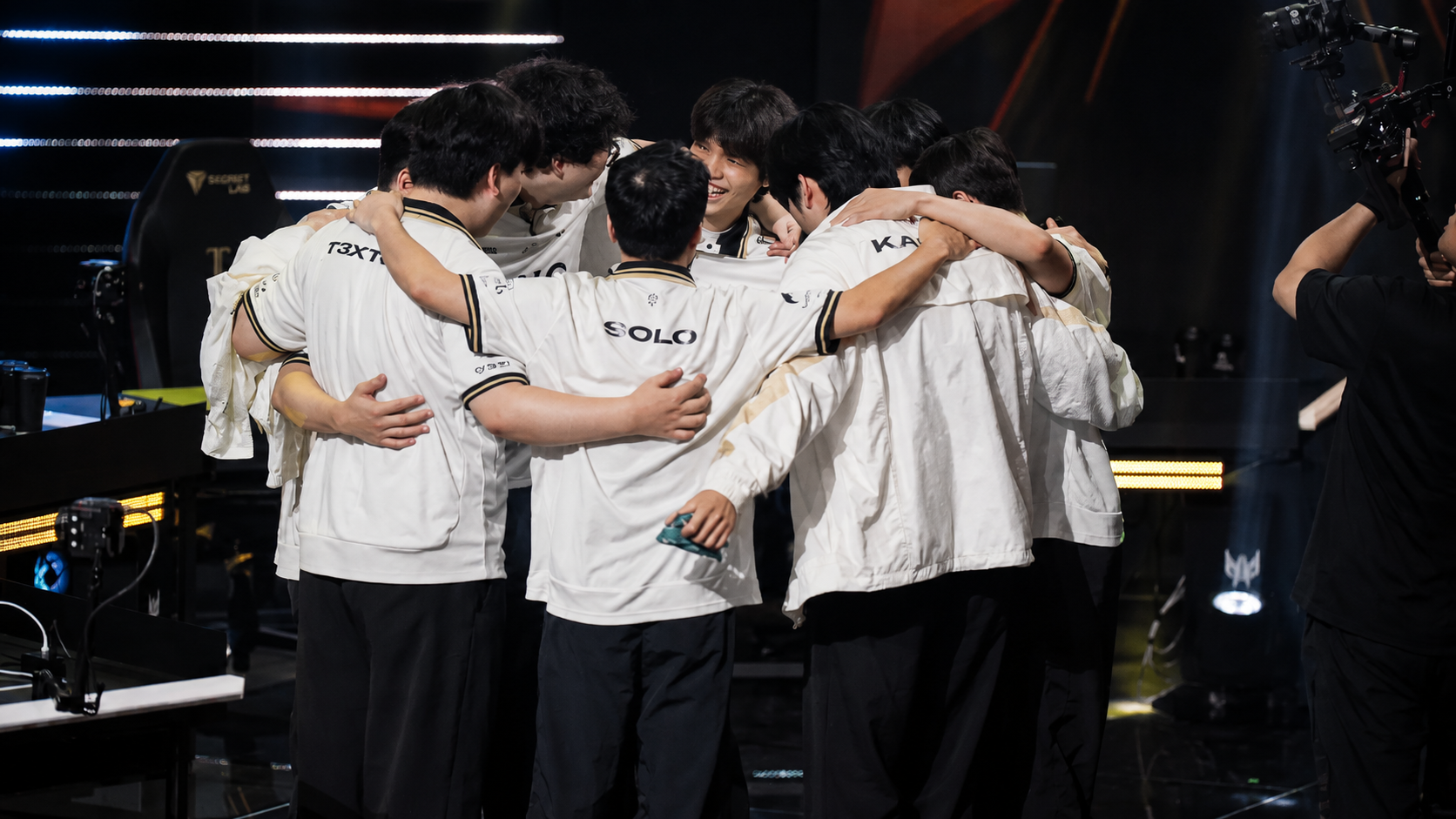
Solo Prioritizes Attitude When Developing New Talent
Gen.G's rebuild happened while VALORANT’s meta and map pool were constantly shifting. Solo admitted that making adjustments during an active tournament was tricky, though Gen.G did have more time to practice on Abyss than the teams coming through play-ins.
“Of course, a map pool change does make things difficult in terms of prep and practice. We had more time than the teams coming up through play-ins, so we were able to practice Abyss, but I really want to ask Riot not to make our lives harder than they already are by bringing these changes in the middle of the tournament.”
Agent changes were another headache. Instead of forcing every player to learn every agent, solo explained that Gen.G tried to find compositions that worked for the roster they had. If the team needed to bring in a new agent or setup, the players spent plenty of time grinding it out in ranked games and scrims.
Beyond raw mechanics and agent flexibility, solo sees attitude as a key quality when he’s looking at new talent. He watches closely to see how players approach practice, take responsibility, and treat others.
“I also look at how the player treats other people. I think attitude, both toward the game and toward things outside of the game, is something I regard as really important. If a player doesn’t have those qualities, if their attitude toward those things is poor, I don’t think they can become a truly top-level player.”
That mindset also drives how solo develops rookies and gives feedback. While pure talent can speed up growth, he believes long-term improvement really comes down to whether a player is willing to hear, understand, and use criticism.
Gen.G didn't make it to Champions in the end, but their Stage 2 resurgence showed what this new roster is capable of. Their recovery was a perfect example of solo’s coaching style: create the right environment, find solutions that fit the players, and keep a strong attitude as you look toward the future.